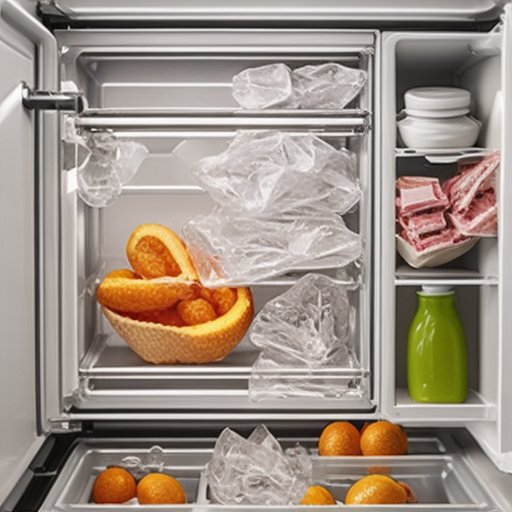
A new fridge can smell of plastic for the first few days. The usual causes are new liners, door seals, drawers, protective films and packaging odours trapped inside a closed cabinet during transport. The fix is not to perfume the fridge. It is to remove any remaining packaging, clean food-contact surfaces and let the interior air properly.
If the smell is more like burning plastic, comes from the back of the appliance, appears with unusual heat, or is close to a damaged cable, unplug the fridge and contact the retailer or manufacturer. That is no longer a normal new-appliance smell.
Why a new fridge smells of plastic
The smell usually comes from harmless but unpleasant residues around new plastic and rubber parts. It can seem stronger in a refrigerator because the cabinet is sealed, cool and small. It can also cling to food packaging if you fill the appliance too quickly.
Common causes include:
Protective film or tape left behind
A small hidden strip under a drawer, on a shelf edge or around a seal can keep the smell going.New plastic and rubber parts
Liners, bins, shelves and gaskets can smell stronger before they have been aired and washed.Transport packaging
Cardboard, polystyrene and plastic wrapping can leave a residual odour in the cabinet.Using the fridge before cleaning it
Loading food immediately traps the smell and gives it more surfaces to settle on.
First clean before storing food
Start with a full but gentle clean. This solves most cases.
- Unplug the appliance while cleaning the interior.
- Remove every film, tape, spacer and packaging insert.
- Take out shelves, drawers and door bins.
- Wash removable parts with hot water and a little washing-up liquid.
- Wipe the interior, door and gasket with a mild solution.
- Rinse with a clean damp cloth.
- Dry every surface.
- Leave the door open for several hours in a ventilated room.
The USDA advises washing removable refrigerator parts with hot water and detergent, then cleaning the interior, door and gasket with hot water and baking soda. Its refrigerator odour guidance also lists vinegar and water, baking soda and fresh coffee grounds as options when odours remain: Removing Odors from Refrigerators and Freezers.
Baking soda, vinegar or lemon?
Baking soda is the best first choice because it is mild and does not leave a strong scent. Dissolve two tablespoons in one litre of warm water, wipe the interior and removable parts, then rinse and dry. You can also leave an open dish of baking soda inside for a few days.
White vinegar is useful if the odour is still noticeable. Mix equal parts vinegar and water, wipe the surfaces, then rinse. Never mix vinegar with bleach.
Lemon is mainly a fresh scent, not a complete treatment. Use it only after cleaning, and remove slices after two or three days so they do not grow mould.
Dry coffee grounds can absorb some odours. They should be fully dry and kept in an open dish away from food.
What to avoid
Do not use air fresheners, strong essential oils, solvents, ammonia, abrasive powders or deodorisers that are not intended for food areas. They may leave residues, damage plastic or taint food.
Also avoid lining shelves with plastic film to "protect" them. It can restrict airflow and make spills harder to see. If the problem is an old or rotten smell rather than a new-plastic smell, use the dedicated guide to fridge odour solutions.
When can you put food in?
Wait until the interior is dry and the smell has clearly faded. Once the fridge is switched on, check the temperature with a fridge thermometer before storing perishable food.
The Swiss Federal Food Safety and Veterinary Office advises keeping cooked and perishable foods below 5 °C in the refrigerator: Prepare properly, savour safely. For setup, see our guide to the ideal fridge temperature.
If the fridge has just been delivered, especially after being transported on its side, respect the waiting time before switching it on. The practical checks are covered in how long to wait before plugging in a new fridge.
If the smell does not go away
A light smell can last a few days, but it should become weaker. If it remains strong after repeated cleaning and airing, check that:
- no protective film is hidden under a drawer or near a gasket;
- the drain tray or channel, if accessible according to the manual, is not the source;
- the fridge reaches the correct temperature;
- the odour is not electrical or burnt;
- food packaging has not absorbed and re-released the smell.
For a new appliance, contact customer service before dismantling parts. A strong chemical smell that does not fade, or any burnt smell, deserves a warranty check.
Conclusion
To remove a new plastic smell from a fridge, remove packaging, wash with warm water and baking soda, rinse, dry and air the cabinet. Vinegar, baking soda or dry coffee grounds can help after that, but they are not substitutes for cleaning. If the smell fades, it is usually temporary. If it smells burnt, stays intense or returns after airing, unplug the appliance and ask for a professional check.