Introduction
Traveling in a motorhome requires good organization to keep provisions in optimal conditions. The refrigerator becomes an essential piece of equipment to keep food fresh and avoid waste. However, its operation can seem obscure to many motorhome owners, especially considering the specific installation and maintenance it requires. In this article, we will examine in detail the operating principles of a motorhome refrigerator and the different types available on the market. We will also discuss the selection criteria, best installation practices, and maintenance methods. Finally, we will offer practical tips to extend the life of your equipment and optimize your energy consumption.
By taking the time to understand how a motorhome refrigerator works, you can not only improve your comfort during your stays but also save energy. You will gain autonomy and peace of mind, knowing that your food will remain fresh over time. This article aims to be a comprehensive resource for all motorhome users, whether beginners or experienced, who want to optimize cold management on board.
What is a Motorhome Refrigerator?
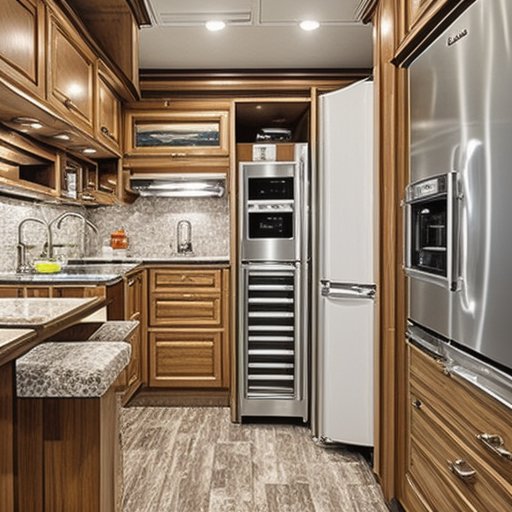
A motorhome refrigerator is a device designed to operate autonomously, thanks to various energy sources (electricity, gas, or the vehicle's batteries). Unlike domestic refrigerators, these models are designed for specific mobility, vibration, and energy consumption constraints. They often offer several operating modes to adapt to road or parking conditions.
Generally, a motorhome refrigerator includes a main compartment for storing perishable goods and a freezer compartment for keeping frozen products or making ice cubes. Their capacity varies depending on the vehicle's size and the traveler's needs. Some models offer volumes of only 40 to 60 liters, while others can exceed 150 liters. The choice of capacity depends on the number of passengers, the duration of stays, and the type of food to be stored.
These refrigerators have the advantage of being designed to operate while the motorhome is moving and to minimize noise and vibrations as much as possible. Moreover, they are often equipped with locking mechanisms to prevent the door from opening during road bumps. However, it is important to understand the limitations of each type of refrigerator to make an informed choice.
Different Types of Motorhome Refrigerators
1. Absorption Refrigerators
The absorption refrigerator is particularly popular in the motorhome world. It uses a mixture of water, ammonia, and hydrogen to produce cold. The basic principle relies on phase changes in a closed circuit, all activated by a heat source. This heat source can be gas (butane or propane), electricity (12 V, 24 V, or 230 V), or the vehicle's engine. The main advantage lies in energy versatility: you can easily switch from one mode to another depending on the availability of energy at the parking location.
However, absorption refrigerators are sometimes less efficient in high heat areas. Their cooling capacity can decrease, especially if ventilation is not optimal. Moreover, they consume more gas or electricity when subjected to extreme temperatures. Despite these drawbacks, they remain very popular due to their silent operation and energy flexibility.
2. Compression Refrigerators
The compression refrigerator operates on the same principle as domestic refrigerators: a compressor compresses a refrigerant that then expands and absorbs the heat inside the appliance. These models generally offer better cooling performance. They are less sensitive to ambient temperatures and can produce cold even in extreme weather conditions. The cooling time is often faster than for an absorption refrigerator.
However, the compression refrigerator requires a continuous electrical supply (usually 12 V). If your motorhome is equipped with solar panels or a high-capacity battery, the impact remains limited and autonomy becomes excellent (see our guide to the solar refrigerator). On the other hand, you need to monitor electrical consumption. Additionally, the compressor can generate background noise that may disturb some campers, although recent models have significantly improved this aspect.
3. Thermoelectric Refrigerators
Thermoelectric refrigerators rely on the Peltier effect: an electric current is sent through modules that create a temperature difference. They are often small and more affordable than other categories, but their cooling capacity is very limited. In practice, they manage to maintain a temperature below the ambient temperature (about 15 °C to 25 °C lower). They are suitable for small structures or as a backup when you do not need to store very fragile goods. For this kind of occasional use, they follow the same logic as a passive cooler or a camping mini fridge. Their low energy consumption can be an advantage, but in most cases, they are not the best solution for a primary motorhome refrigerator.
How to Choose Your Motorhome Refrigerator?
Before purchasing a refrigerator, it is essential to define your needs, budget, and constraints. Several criteria must be considered:
Energy Source: Depending on whether you prefer gas autonomy or electrical supply (solar panels, secondary battery), the type of refrigerator will differ. Trivalent refrigerators (gas, 12 V, and 230 V) offer great flexibility, but a compression model may be relevant if you have a substantial electrical installation.
Size and Capacity: Consider the available space in your motorhome and your storage needs. A refrigerator that is too large may consume more energy, while a model that is too small will require frequent restocking.
Consumption: Check the energy consumption stated by the manufacturer. Absorption refrigerators rarely consume little gas, but their versatility sometimes justifies this drawback. Compression models are often more efficient but require an electrical system capable of powering them.
Noise Level: Acoustic comfort is crucial during nights spent in the motorhome. Absorption refrigerators are known to be silent, while compression refrigerators always produce background noise that may disturb some people. It is advisable to rely on the decibels indicated in the technical sheet or consult user feedback.
Robustness and Reliability: Turn to recognized brands known for the quality of their products. You will avoid recurring breakdowns or cooling problems. A reliable refrigerator will guarantee thermal stability and optimal operation, even under difficult conditions.
Installation and Ventilation Tips
Installing a motorhome refrigerator must be done with great care, as it can impact the appliance's performance, safety, and longevity. Here are some essential points:
Location: Choose a place in the motorhome where air circulation is sufficient. Refrigerators produce heat, and without adequate ventilation, performance quickly drops. Also, ensure that the refrigerator is protected from direct sunlight, which could raise the interior temperature.
Ventilation: It is often necessary to provide ventilation grilles at the top and bottom of the wall where the appliance is installed. In the case of an absorption model, poor ventilation can slow down the cooling process. Some users even add a fan at the back of the refrigerator to help hot air escape outside, particularly effective during high heat.
Stabilization: The refrigerator must be securely fastened to prevent it from moving or detaching during travel. An absorption refrigerator must also stay close to level while running: most manufacturers (Dometic, Thetford) recommend not exceeding roughly 3 degrees of side-to-side tilt, because beyond that the ammonia circulation degrades and cooling drops. On a sloping pitch, use levelling ramps.
Connections: If you have a gas-powered refrigerator, ensure the pipes are well-sealed and that a suitable regulator is present (our article also explains whether it is possible to recharge a refrigerator with gas). For a compression model, provide electrical wiring of sufficient gauge to avoid voltage drops and overheating. You can also install a dedicated circuit breaker to prevent electrical problems.
Compliance with Standards: In Switzerland, the gas safety check of the liquefied-gas installation in motorhomes and caravans is mandatory every 3 years, a rule in force since December 2017 under the asa guidelines. It must be carried out by a qualified inspector and covers tightness, ventilation, exhaust, and the mounting of gas bottles (see the TCS information on gas checks for camping vehicles). Check that everything is compliant for your safety and that of your passengers.
Maintenance and Care
To extend the life of your refrigerator and avoid breakdowns at the least opportune moment, regular maintenance is essential. Here are some tips:
Interior Cleaning: After each trip, empty the refrigerator and clean the walls with a mild product or a mixture of vinegar and warm water. Dry thoroughly to prevent mold and bad odors.
Defrosting: Frost formation on the walls reduces the refrigerator's efficiency. Defrost it regularly, especially if you frequently use the freezer compartment. Avoid using sharp objects to scrape the ice, as you risk damaging the internal coating or the cooling circuit.
Cooling System Check: For an absorption refrigerator, it is recommended to regularly check the condition of the burner, exhaust chimney, and refrigerant mixture. In the case of a compression model, checking the circuit's tightness and dusting the condenser may be necessary. If you are not comfortable, call a professional who knows the equipment well.
Door Seal Monitoring: If the seal is no longer airtight, parasitic air leaks will increase consumption and decrease cooling capacity. Regularly inspect the seal's condition and replace it at the slightest sign of deterioration.
Gas System Check: If your refrigerator runs on gas, occasionally check the connections, pressures, and regulators. An annual maintenance by a gas specialist is recommended for safety and performance reasons.
Energy Saving Tips
When traveling in a motorhome, energy autonomy is an important criterion. These principles echo our broader advice on how to reduce a refrigerator's energy use. Here are some strategies suited to life on board:
Pre-cool Food: Before leaving, place already cooled food in the refrigerator. This will avoid a significant thermal shock and reduce the effort required by the appliance.
Limit Door Opening: Each door opening lets refrigerated air escape. Try to group several actions (take several ingredients at once) to minimize cold losses. This habit directly affects electrical or gas consumption.
Regularly Empty Surplus: An overloaded refrigerator requires more power to maintain temperature. Regularly sort to keep only the necessary products. You will free up space and improve air circulation.
Optimize Temperature Settings: It is unnecessary to force the refrigerator to maintain too low a temperature. Adjust the thermostat according to ambient heat and the type of goods inside. This will allow you to make significant savings.
Use Cold Packs: Ice packs or gel packs are very useful for stabilizing temperature and reducing consumption peaks. They can also help keep things cool longer when you cut the power for a given period.
Conclusion
Equipping your motorhome with a suitable refrigerator is a key element to fully enjoy your travels. This appliance, far from being a mere luxury, quickly becomes an indispensable ally for preserving food, enjoying a certain comfort, and optimizing autonomy. To choose the right model, you will need to consider several factors, including the preferred energy source, available space, cooling capacity, and consumption. Each technology (absorption, compression, thermoelectric) has advantages and disadvantages that are important to know to make an informed decision.
Beyond choosing the refrigerator, installation, ventilation, and maintenance are crucial aspects to ensure optimal operation and extend the life of your equipment. Simple actions, such as regular cleaning and frequent defrosting, can prevent many inconveniences. And to further improve your autonomy, you can adopt practices to reduce energy consumption, such as pre-cooling food, limiting door openings, or using cold packs.
By informing yourself and taking the necessary precautions, you can travel more serenely, knowing that your perishable goods will be preserved in optimal conditions, regardless of outside temperatures. You will gain independence and avoid many logistical inconveniences. Good cold management is a considerable asset for any motorhome enthusiast, whether a beginner or experienced. Motorhome refrigerators represent both a financial and technical investment, but the peace of mind they provide makes them a wise choice for all those who aspire to freedom on the road.