Why an empty fridge can feel so unsettling
A refrigerator is not just a cold box in the kitchen. It gives instant feedback on what you can eat tonight, how prepared you are for the week and how much margin you feel you have. That is why an empty fridge can trigger more than mild annoyance: it can touch security, money, family organisation and sometimes memories of scarcity.
The key word is "can". Not everyone reacts the same way. For some people, a nearly empty fridge simply means it is time to shop. For others, it creates a disproportionate sense of unease, especially after financial stress, illness, lockdowns, separation or a long period of mental load. The aim is not to keep the fridge full at any cost, but to understand what the empty space represents.
Food, security and anxiety
Research on food insecurity shows a strong link between uncertain access to food and psychological distress. A review in Current Nutrition Reports describes food insecurity as a lack of enough food in quantity or quality, and reports positive associations with depression and anxiety. A 2024 systematic review and meta-analysis in BMC Nutrition reaches a similar conclusion: food insecurity is a common stressor associated with higher psychological distress.
That does not mean that a bare fridge on a Tuesday evening is the same as severe food insecurity. But the mental mechanism can rhyme with it. When available food feels uncertain, the brain may read the situation as a loss of control. The reaction is stronger when you need to feed children, keep to a tight budget or avoid unplanned spending.
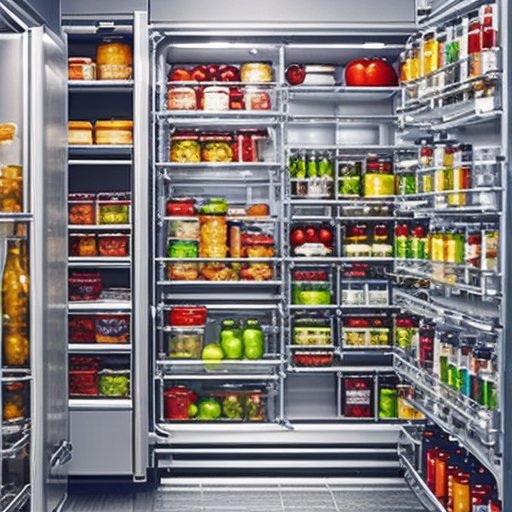
A full fridge, by contrast, creates a sense of choice. You can improvise, postpone a shopping trip, invite someone over or prepare a balanced meal. That feeling of available options helps explain why a well-stocked fridge can be reassuring, even when not everything inside will be eaten.
Why we sometimes overfill it
Stress about an empty fridge often leads to overcorrection. We buy "just in case", double quantities and keep fresh products without a clear plan. The fridge becomes a reassurance stock. It calms the mind briefly, then creates a different kind of stress a few days later: forgotten food, expired dates, guilt and waste.
In Switzerland, this is not a trivial issue. The Federal Office for the Environment estimates that around one third of edible food is lost between the field and the plate, with about 2.8 million tonnes of food losses each year linked to Swiss consumption. So the problem is not only personal. It affects household budgets and the environmental footprint of food.
The healthy target is not an overflowing fridge. It is a readable fridge: enough fresh food for the next meals, a few backup staples elsewhere in the kitchen and a clear rotation so the oldest items are used first.
Who is most sensitive to an "empty fridge"?
This anxiety is more likely in several situations:
- A past experience of scarcity, even if temporary.
- A tight food budget, where every unexpected shop matters.
- A high family load, especially when meals must be decided quickly.
- A strongly planning-oriented temperament, where improvising feels like losing control.
- A strong wish to avoid food waste, which can make shopping decisions feel tense.
These are not diagnoses. They simply explain why the same empty shelf can feel neutral to one person and threatening to another.
How to keep real food security without overstocking
A useful approach is to split your food reserve into three layers.
The first layer is the fridge: fresh products, leftovers, dairy, prepared vegetables and proteins for the next few meals. It should be stocked enough to be useful, but not so packed that items disappear at the back.
The second layer is the freezer or ice box: bread, frozen vegetables, portions of sauce, home-cooked meals and easy proteins. It provides real security without crowding the refrigerator.
The third layer is the cupboard: pasta, rice, pulses, tins, oil, spices, stock cubes and cereals. This dry reserve often gives more practical reassurance than too many fresh products because it lasts longer and reduces waste risk.
In Switzerland, this also helps with busy weeks, irregular schedules and Sundays when many shops are closed.
A simple routine to reduce stress
The most useful routine is short:
- Check the fridge before writing the shopping list.
- Plan only 3 or 4 specific meals, then leave room for flexibility.
- Keep "eat soon" items in a visible zone.
- Keep two backup meals in the cupboard or freezer.
- Maintain a short "always replace" list for household basics.
If your main issue is visibility, our guide to organising your fridge is the natural next step. To reduce guilt around food going off, the advice on keeping food fresh for longer is more helpful than buying more. And if the worry is partly about electricity, the article on the empty versus full fridge puts the energy question in context.
When the stress deserves more attention
It is normal to feel irritated when there is nothing ready for dinner. It is worth taking the issue more seriously if the anxiety returns often, leads to compulsive shopping, creates arguments or makes grocery shopping hard to manage.
In that case, the fridge itself may not be the real problem. The stress may reflect broader anxiety, fear of scarcity, a difficult relationship with control or a genuine financial strain. Depending on the situation, a health professional, social service or budget adviser may help. The point is not to dismiss the feeling, but to build a form of security stronger than a randomly filled fridge.
Conclusion
A full fridge reassures us because it suggests choice, preparation and protection. An empty fridge stresses us when it evokes scarcity, loss of control or the need to decide in a hurry. But buying more is not always the best answer.
A calmer relationship with the refrigerator comes from clear stock, a few backup meals, a realistic list and less guilt. The best fridge is not the one that overflows. It is the one that helps you eat well, waste less and feel in control without turning the kitchen into permanent storage.